01
Floor sinks back up during the dinner rush
What it points to: The line downstream is restricted and peak flow overwhelms it. Jetting the kitchen line clears the grease that cabling leaves on the pipe wall.
Open 24/7Open 24 hours a day, 7 days a week · Since 1981Family owned in Mesa since 1981
(480) 969-3193Industries we serve · Food service
Kitchen drains, grease lines, hot water for sanitizing, ice machines, gas appliances and kitchen cooling for Mesa restaurants, scheduled around service rather than through it.
In one sentence
Restaurant plumbing and HVAC covers the drains, grease lines, hot water, gas piping, ice and beverage water, and cooling of a commercial kitchen and dining room, where a failure can stop service under food safety rules.
Why a kitchen cannot wait
Maricopa County inspects to the FDA Food Code, which treats a sewage backup in a food establishment as an imminent health hazard.
Without hot water at the hand sinks and the ware-washing sink, the kitchen cannot operate under the same code.
Mesa requires interceptors to be kept in continuously efficient operation, with cleaning and repair records kept on site for three years.
The kitchen, zone by zone
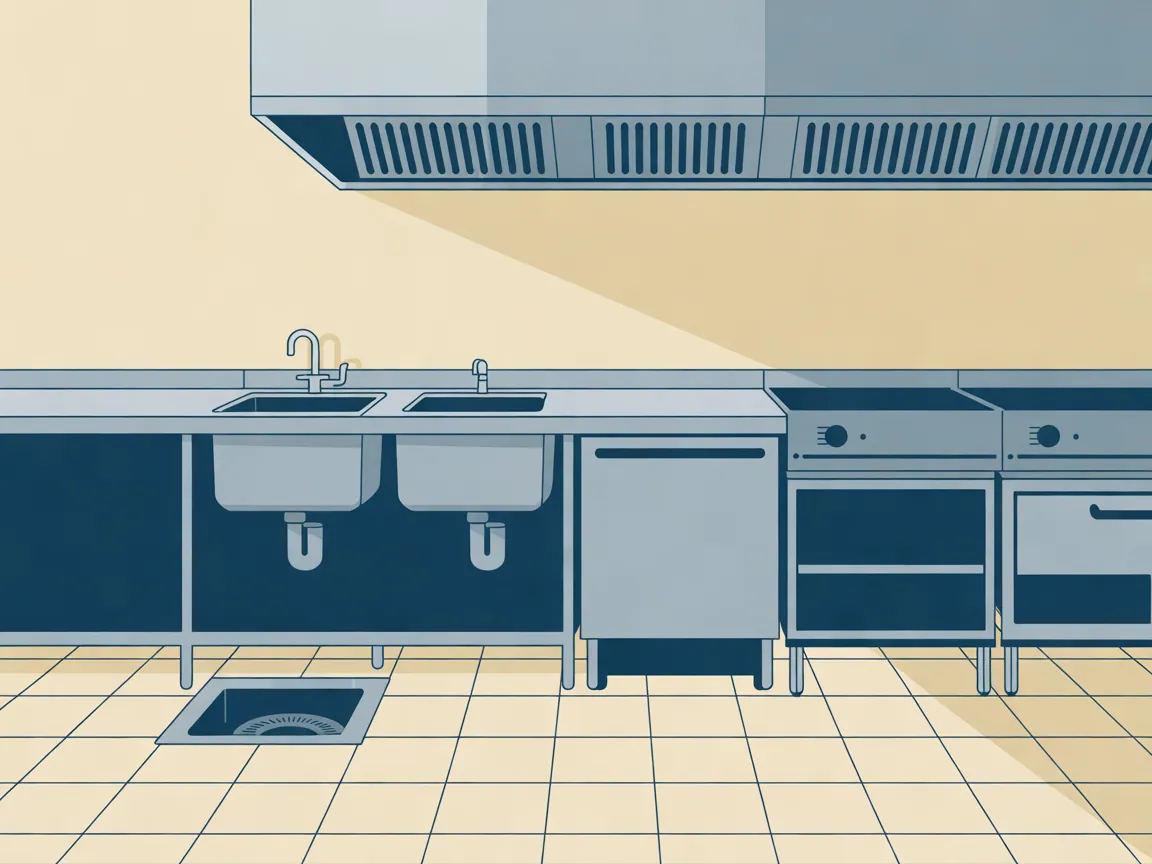
A restaurant packs more plumbing and more heat into less floor area than almost any other building. These are the zones a service call usually lands in, and what each one depends on.
Reading the building
One fixture misbehaving is a fixture. The same complaint arriving from several places, or on a schedule, is the building telling you where to look, and it is the most useful thing to describe on the call.
What it points to: The line downstream is restricted and peak flow overwhelms it. Jetting the kitchen line clears the grease that cabling leaves on the pipe wall.
What it points to: The water heater meets the day's average and misses the end-of-night peak from the dish machine and sinks together.
What it points to: Hard water on the evaporator. Filtration or softening on the ice machine supply addresses it at the source.
What it points to: The kitchen's cooling or make-up air is undersized or failing against the heat from the cook line and the hood exhaust.
What it points to: Floor drain traps dried out overnight. Trap primers or a routine of pouring water into them keeps the seal.
Seeing more than one of these?
Say which ones on the call. Two patterns together narrow the cause faster than either alone.
When it is stopping the business
Start with whether you can stay open, then what failed. Open 24 hours a day, 7 days a week; timing gets settled on the call.
The sequence
Step 1
The first question, because sewage backups and loss of hot water can stop service under food safety rules.
Step 2
Get the kitchen working again with the least disruption to prep and service.
Step 3
A camera on a recurring drain, or a look at the water heater's size against the kitchen's peak.
Step 4
Larger repairs scheduled before opening or after close, with the kitchen manager.
Worth knowing before you call
A restaurant packs more plumbing, more gas appliances and more heat into less floor area than almost any other kind of building. When something fails, the question is not only what it will cost to fix, but whether the kitchen can keep serving. JB Water & Air handles restaurant plumbing under Arizona ROC #260511, CR-77, and kitchen and dining room cooling under ROC #341937, CR-39. The company is open 24 hours a day, 7 days a week.
Maricopa County inspects food establishments to the FDA Food Code. Under that code, a sewage backup and an interruption of water or hot water are imminent health hazards, which means an inspector can stop operation until the problem is fixed. Those two failures are why restaurant plumbing is scheduled the way it is: the lines and the water heater get attention before they fail during service, not after.
Hand sinks and the ware-washing sink both need hot water, so a water heater that cannot keep up through closing cleanup is more than an inconvenience. The commercial water heater page shows how a kitchen's peak is different from any other building's.
Fats, oils and grease go down a kitchen drain warm and liquid, then cool and cling to the pipe wall. Mesa requires grease interceptors where the City deems them necessary, and requires owners to keep them working and keep three years of cleaning records on site. Pumping the interceptor is a hauler's job. The lines between the kitchen and the interceptor, and from the interceptor to the sewer, are plumbing, and they are where most kitchen backups start.
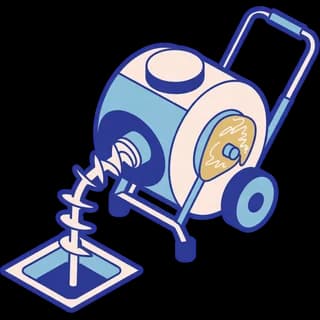
Cabling a greasy line opens a hole and leaves the rest of the grease in place. Hydro jetting scours the pipe wall clean, which is why kitchen lines are usually jetted on an interval rather than cabled on demand. The commercial drain and sewer page sets out when to clear, jet, inspect or repair.
Mesa's water is hard, typically 12 to 22 grains per gallon according to the City. Ice machines, coffee brewers and espresso machines scale faster here than almost anywhere, and most manufacturers specify filtration on the supply. Commercial water treatment protects that equipment and the dish machine along with it.
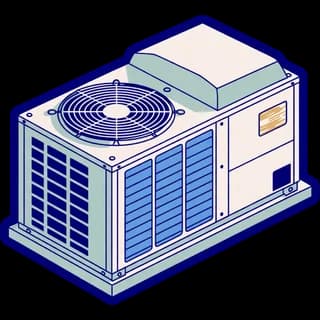
A cook line generates heat and the hood exhausts conditioned air. The make-up air that replaces it has to be balanced with the cooling, or the kitchen runs hot, doors whistle and the dining room fights the kitchen for air. Rooftop units over kitchens also collect grease on their coils and filters. The commercial HVAC page covers rooftop equipment in more detail.
The services this property leans on
Kitchen lines, restroom branches, main building drains and laterals, cleared, jetted, camera-inspected and repaired.
Open the pageCommercial tank, tankless and multi-heater systems, sized to the property's real peak rather than the model that came out.
Open the pageCommercial softening and filtration that protects ice machines, dishwashers, water heaters and fixtures from Mesa's hard water.
Open the pageRooftop package units, split systems and zoned tenant spaces, serviced against a heavier, longer-running load.
Open the pageScheduled HVAC and plumbing inspection planned around the Mesa calendar, recorded against an equipment inventory.
Open the pageTalk about the property
Tell us the kitchen, the problem, and your service hours. The team calls back to confirm access, the permit question and a window. No price or date is promised before the survey.
A call is faster than this form for anything affecting the business: (480) 969-3193
Please call (480) 969-3193 and a team member will help with your service request. Open 24 hours a day, 7 days a week.
Call (480) 969-3193Open 24 hours a day, 7 days a week.
Questions people ask
Start with whether you can stay open, then the fixture or equipment involved. Call, or send the details and the team will call back.
ROC #260511 · ROC #341937 · CR-77 plumbing & CR-39 air conditioning. Open 24 hours a day, 7 days a week.