01
Every summer starts with the same emergency calls
What it points to: The inspection is happening after the load arrives. Moving it to March and April finds the weak parts before July does.
Open 24/7Open 24 hours a day, 7 days a week · Since 1981Family owned in Mesa since 1981
(480) 969-3193Commercial service · Planned maintenance
Scheduled HVAC and plumbing inspection for Mesa businesses, timed to the heat, the monsoon and the short heating season, and recorded against an equipment list so every visit builds on the last.
In one sentence
Commercial preventive maintenance is scheduled inspection and servicing of a building's HVAC and plumbing equipment, done before failures happen and recorded against an equipment inventory so condition can be tracked over time.
The Mesa maintenance year
A maintenance schedule written for a mild climate puts the work in the wrong months here. In Mesa the cooling season is long, the monsoon arrives mid-summer, and the short heating season is the window for the work that needs equipment off.
A planning guide, not a service agreement. Visit frequency and scope are set in writing for each property.
When it is stopping the business
Start with what it is doing to the business, then the equipment involved. Open 24 hours a day, 7 days a week; timing gets settled on the call.
The sequence
Step 1
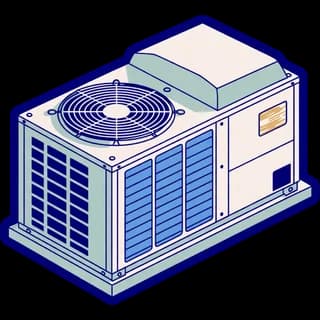
Every rooftop unit, split system, water heater and backflow assembly on site, with age, size and location.
Step 2
Visits placed in the months that matter in Mesa, not on a generic quarterly rotation.
Step 3
The same checks and readings each visit, so a change in a reading is visible.
Step 4
What needs fixing now, what can wait for the next visit, and what belongs in next year's budget, kept apart in the report.
Reading the building
One fixture misbehaving is a fixture. The same complaint arriving from several places, or on a schedule, is the building telling you where to look, and it is the most useful thing to describe on the call.
What it points to: The inspection is happening after the load arrives. Moving it to March and April finds the weak parts before July does.
What it points to: There is no inventory, so there is no baseline and no replacement plan. The first maintenance visit should build one.
What it points to: Dust has packed the condenser coil itself. Coil cleaning belongs in the schedule, especially after monsoon storms.
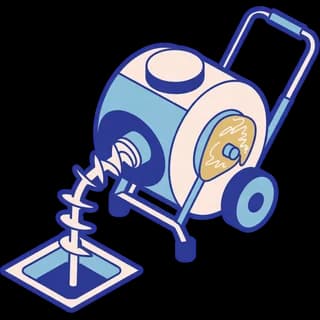
What it points to: The line needs jetting on an interval shorter than the cycle, scheduled rather than called in.
What is in these buildings
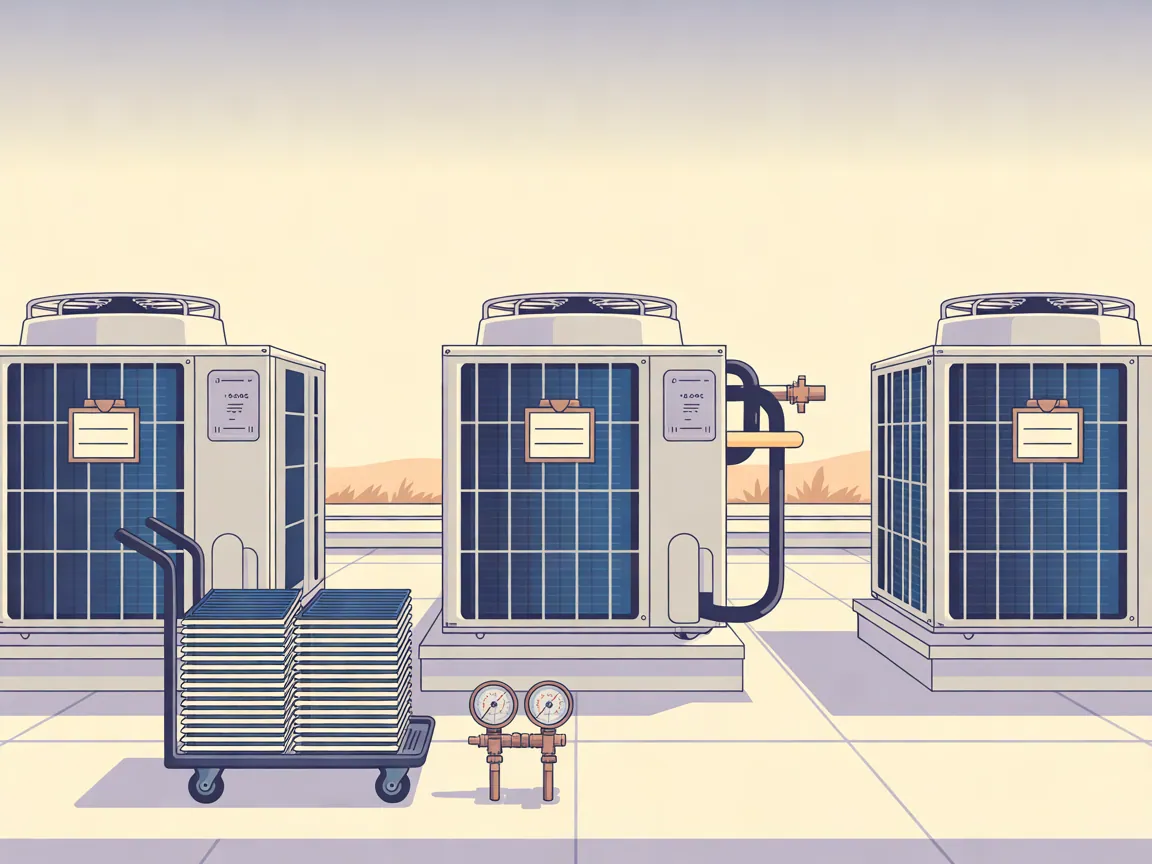
Filters, coils, belts, electrical components, refrigerant readings and condensate drains on every unit.
Flushing sediment, checking relief valves, expansion tanks, venting and mixing valve settings.
High-use kitchen and restroom lines jetted on a schedule set from their own history.
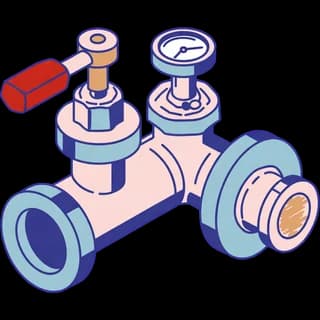
Main and branch shutoffs exercised so they close on the day they are needed.
Worth knowing before you call
Preventive maintenance is the cheapest service a commercial building can buy, and it is the one most often bought in the wrong months. JB Water & Air services commercial HVAC under Arizona ROC #341937, CR-39, and plumbing under ROC #260511, CR-77, so both trades fit on the same schedule.
A quarterly maintenance rotation written for a mild climate treats every season as equal. Mesa does not. Cooling runs for most of the year, the hardest months arrive in June and July, the monsoon follows with dust and storms, and the heating season is short. Maintenance has to land before each of those, not during them.
The pre-summer cooling inspection belongs in March and April, while there is still time to order parts and replace weak components before the heat. The HVAC maintenance checklist before summer lists what that inspection should cover. Monsoon season adds post-storm checks of filters, coils and condensate drains. Fall is for heating startup, and the cool months are the window for any work that needs cooling turned off.
A maintenance program without an equipment list is a series of unrelated visits. The first visit to a property should record every rooftop unit, split system, water heater and backflow assembly: what it is, how old it is, where it is and what it serves. From then on each visit adds readings to the same record, and changes become visible before they become failures.
That record also turns replacement from a surprise into a budget line. A unit with rising repair costs, an older refrigerant and declining performance can be planned for the next heating season rather than replaced in an emergency in August. The commercial HVAC page covers how that repair-or-replace case is written.
Water heaters in Mesa collect sediment fast because of the hard water, and flushing on a schedule extends their life. How to flush a water heater in Mesa explains why it matters. Shutoff valves seize when nobody turns them, so exercising the main and branch valves belongs in the visit. High-use kitchen and restroom drains can be jetted on an interval set from their own history, so the backup never happens.
A good report keeps three lists apart: what needs fixing now, what can wait until the next visit, and what belongs in a future budget. Mixing them buries the urgent item and inflates the rest. Every visit should leave the property manager with that report and the readings behind it.
Industries that rely on this
Kitchen drains, grease lines, hot water for sanitizing, ice machines and kitchen cooling, worked around service.
Open the pageShared stacks and risers, unit-by-unit HVAC and the turn schedule, handled with notice, access and records in order.
Open the pageExam room sinks, hot water held at safe temperatures, restrooms and zoned cooling for outpatient medical offices.
Open the pageOperatory sinks, sterilization water, water heaters and zoned cooling, scheduled around patients and coordinated with your dealer.
Open the pageTalk about the property
Tell us the equipment on site and when you would like visits scheduled. The team calls back to confirm access, the permit question and a window. No price or date is promised before the survey.
A call is faster than this form for anything affecting the business: (480) 969-3193
Please call (480) 969-3193 and a team member will help with your service request. Open 24 hours a day, 7 days a week.
Call (480) 969-3193Open 24 hours a day, 7 days a week.
Questions people ask
Send what you know about the units and heaters on site, even if it is incomplete. The team will call back to plan the first visit.
ROC #260511 · ROC #341937 · CR-77 plumbing & CR-39 air conditioning. Open 24 hours a day, 7 days a week.