01
Hot water takes minutes to reach exam room sinks
What it points to: The recirculation loop is off, failed or unbalanced, or the rooms are too far from the heater without one.
Open 24/7Open 24 hours a day, 7 days a week · Since 1981Family owned in Mesa since 1981
(480) 969-3193Industries we serve · Medical offices
Exam room sinks, hot water held at safe temperatures, accessible restrooms and zoned cooling for Mesa medical offices, with most of the work planned before the first appointment.
In one sentence
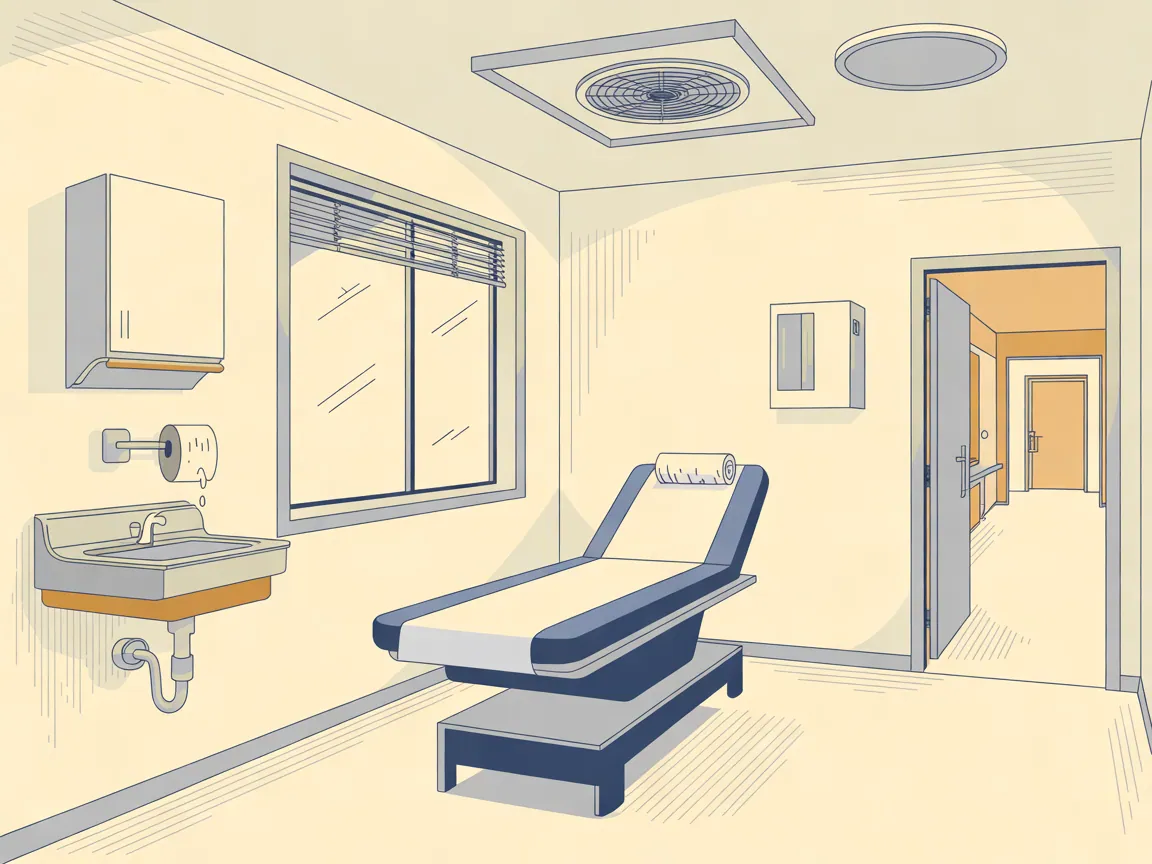
Medical office plumbing and HVAC is the building side of an outpatient practice: hand sinks, drains, hot water, restrooms and cooling, maintained so rooms stay ready for patients and work is scheduled around the clinic.
The practice, room by room
An outpatient practice is a sequence of rooms with different jobs. The plumbing and HVAC demands shift from the waiting room to the exam rooms to the lab, and a good service plan follows that map.
Scheduling around patients
Water shutdowns and equipment changes that need the space empty are planned for early mornings or after close.
Work that can be isolated to one room or one zone keeps the rest of the schedule running.
What was done, what was tested and the water temperatures recorded, so the practice has it on file.
Reading the building
One fixture misbehaving is a fixture. The same complaint arriving from several places, or on a schedule, is the building telling you where to look, and it is the most useful thing to describe on the call.
What it points to: The recirculation loop is off, failed or unbalanced, or the rooms are too far from the heater without one.
What it points to: Rooms on one thermostat with different loads, or airflow that was never balanced after the suite was built out.
What it points to: Hard water scale on the diaphragm or seat. Across a clinic's restrooms it becomes a water bill problem.
What it points to: The building cooling is scheduled off at night while that room still needs it.
The sequence
Step 1
Which rooms are affected, which can be taken offline, and when the schedule has gaps.
Step 2
Water shutdowns and equipment work set for before opening or after close.
Step 3
Fix the fault and confirm the room is ready: water flowing, temperature right, drains clear.
Step 4
Hot water temperatures and the work done, recorded for the practice's files.
When it is stopping the business
Start with whether you can stay open, then what failed. Open 24 hours a day, 7 days a week; timing gets settled on the call.
Worth knowing before you call
An outpatient medical office is a sequence of rooms with different jobs: reception and waiting, exam rooms, a lab or procedure room, restrooms, and usually a records or server closet. Each asks something different of the plumbing and the air conditioning. JB Water & Air handles medical office plumbing under Arizona ROC #260511, CR-77, and HVAC under ROC #341937, CR-39.
Every exam room has a hand sink, and staff use them constantly. Hot water that takes minutes to arrive wastes time and water on every patient. The fix is usually recirculation: a pump and return line that keep hot water close to distant rooms. The commercial water heater page covers recirculation and sizing for steady all-day demand.
Stored hot water also carries a safety tradeoff. CDC and ASHRAE guidance on limiting Legionella growth points to storing hot water at 140 degrees Fahrenheit or above, which is hot enough to scald at the tap. Thermostatic mixing valves resolve that by storing hot and delivering tempered water. Their setting should be checked and recorded when the system is serviced.
Patients in gowns notice temperature more than anyone else in the building. Exam rooms on a shared thermostat with the waiting room are often too cold in one place and too warm in another. Zoning and airflow balancing usually fix it without new equipment. The commercial HVAC page covers rooftop and split systems, and indoor air quality covers filtration where the practice wants it improved.
Records and server closets are the exception to the clinic's schedule. When the building cooling shuts off at night, the closet keeps generating heat. A dedicated unit or a schedule change keeps that equipment within its limits.
Mesa's water is hard, typically 12 to 22 grains per gallon according to the City of Mesa. In a clinic that shows up as scaled faucets, sticking flush valves and spotted glassware. Water contamination in Arizona explains which water concerns are hardness and which are not, and the commercial water treatment page covers treatment for a building.
Most medical office plumbing and HVAC work can be planned so patients never see it. Jobs that isolate one room happen while other rooms run. Jobs that need water off to the suite happen before opening or after close. The planning starts with the clinic schedule, and the commercial plumbing page covers how a scope and work window are set.
The services this property leans on
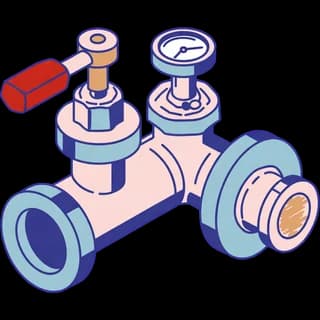
Domestic water, drainage, gas piping and fixtures across tenant spaces, service rooms and the ground outside.
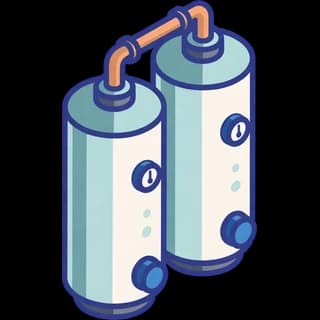
Open the pageCommercial tank, tankless and multi-heater systems, sized to the property's real peak rather than the model that came out.
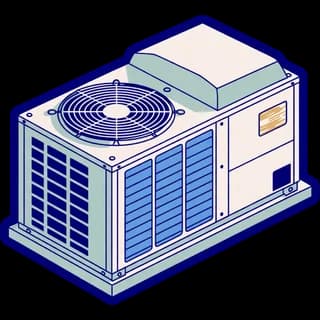
Open the pageRooftop package units, split systems and zoned tenant spaces, serviced against a heavier, longer-running load.
Open the pageScheduled HVAC and plumbing inspection planned around the Mesa calendar, recorded against an equipment inventory.
Open the pageKitchen lines, restroom branches, main building drains and laterals, cleared, jetted, camera-inspected and repaired.
Open the pageTalk about the property
Tell us the practice, the rooms affected, and your clinic hours. The team calls back to confirm access, the permit question and a window. No price or date is promised before the survey.
A call is faster than this form for anything affecting the business: (480) 969-3193
Please call (480) 969-3193 and a team member will help with your service request. Open 24 hours a day, 7 days a week.
Call (480) 969-3193Open 24 hours a day, 7 days a week.
Questions people ask
Say which rooms are affected and when the clinic schedule has open time. Call, or send the details and the team will call back.
ROC #260511 · ROC #341937 · CR-77 plumbing & CR-39 air conditioning. Open 24 hours a day, 7 days a week.